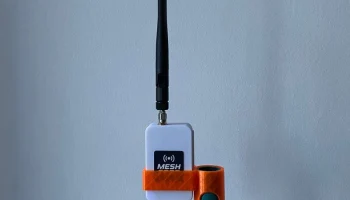
Lora/Meshtastic/MeshCore Solar Node
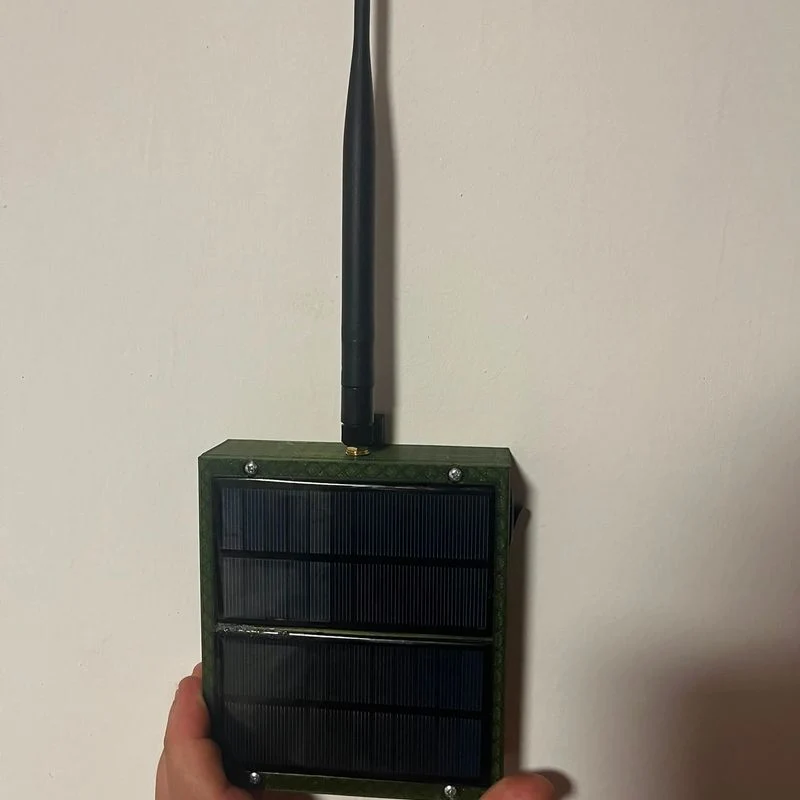
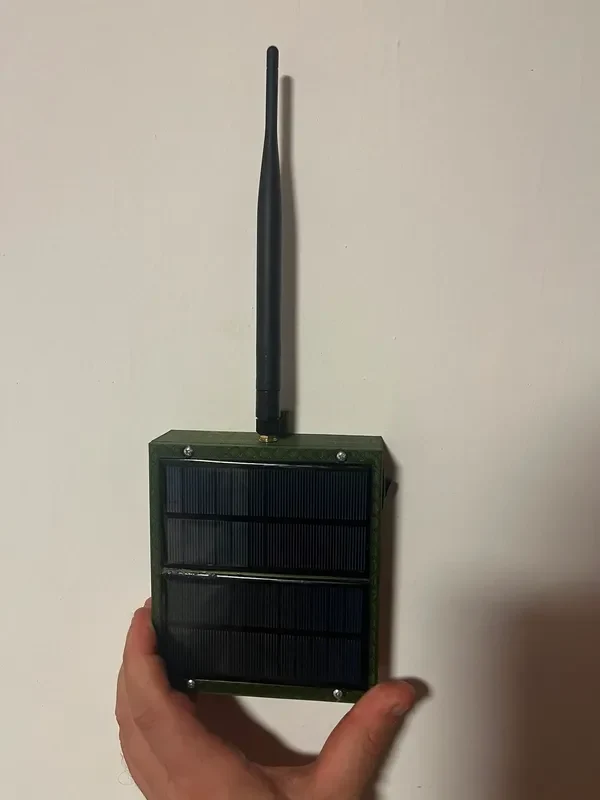

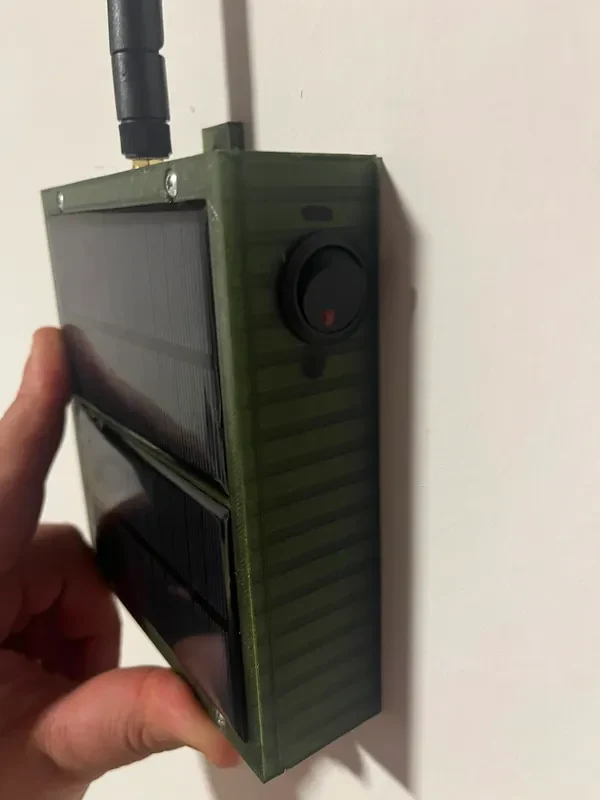
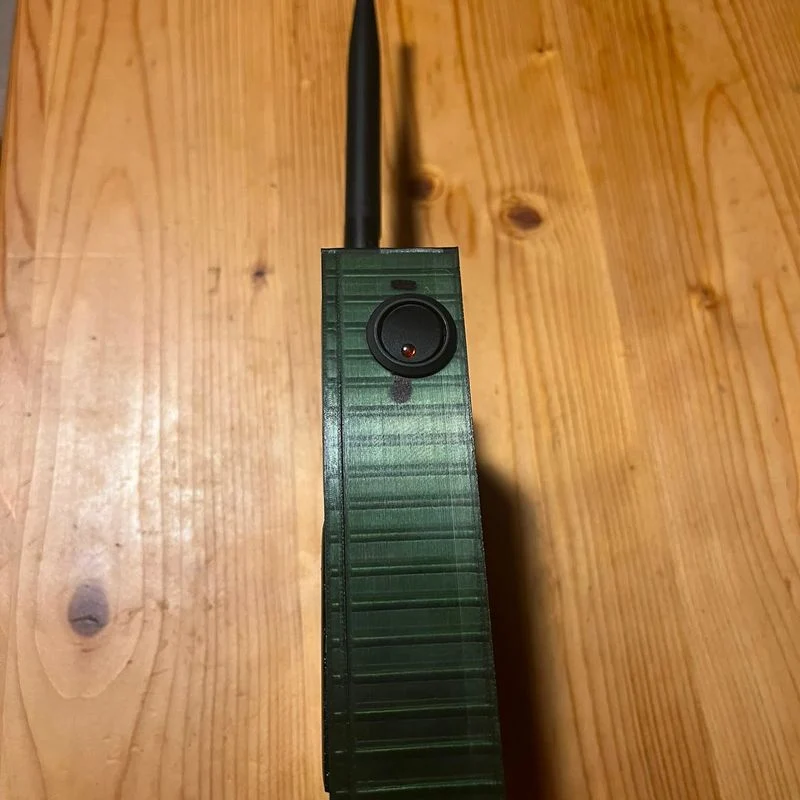
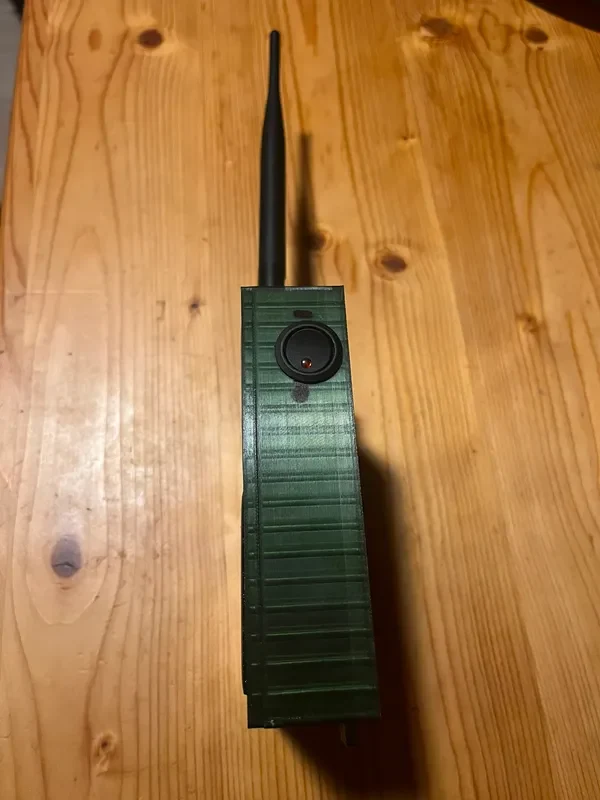
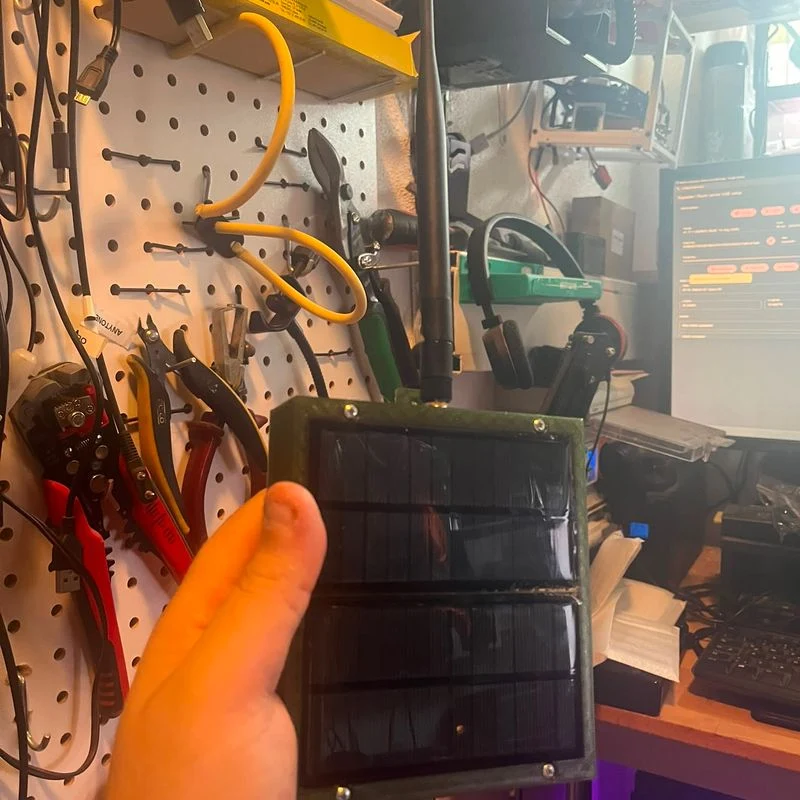
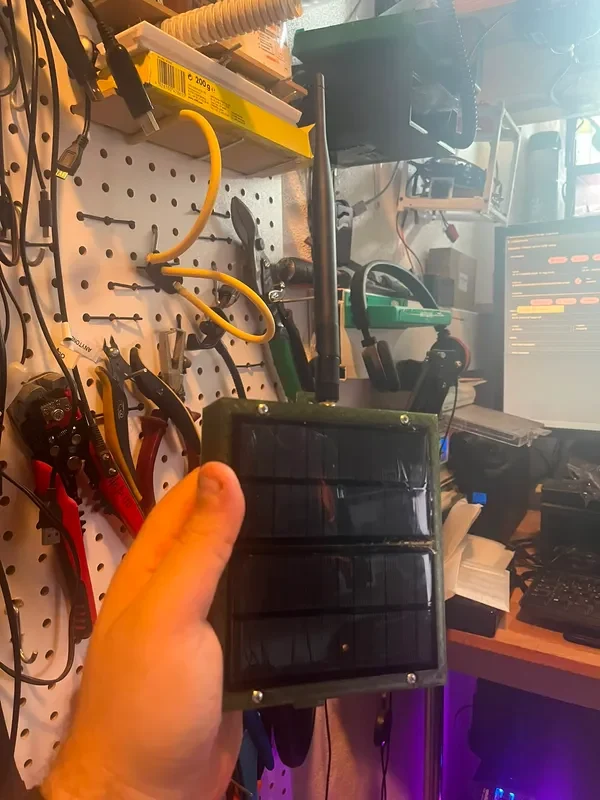
Stealth Solar MeshCore Repeater — Flat Panel Case (2× ZW 110x60)
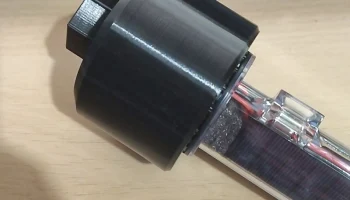
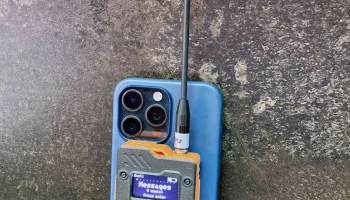
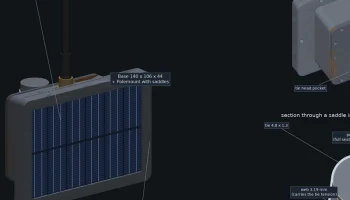
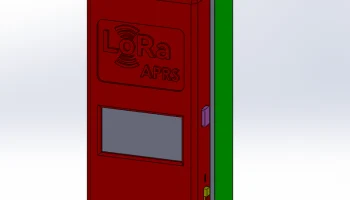
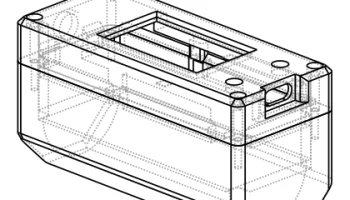
Low-profile, self-contained solar repeater enclosure for MeshCore (also works for Meshtastic). Two 110×60 mm epoxy solar panels sit flush-recessed in the lid, so from the outside the whole unit looks like a plain dark tile — no visible screws on the panel face, no blinking lights. Designed for permanent outdoor deployment on alpine sites.
Fully parametric: the Python generator script is included, so you can adapt it to your own battery holder, panel size or SMA position and regenerate the STLs in seconds (trimesh + manifold3d).
Features
122 × 138 × 36 mm overall, prints without supports on any 180×180 bed
Both panels glued flush into the lid → waterproofing + mechanical mounting in one step
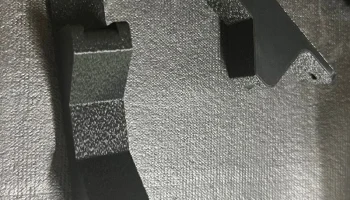
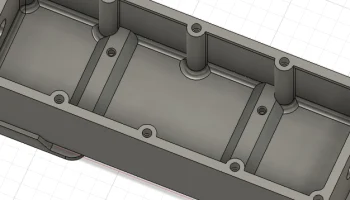
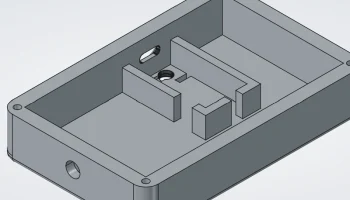
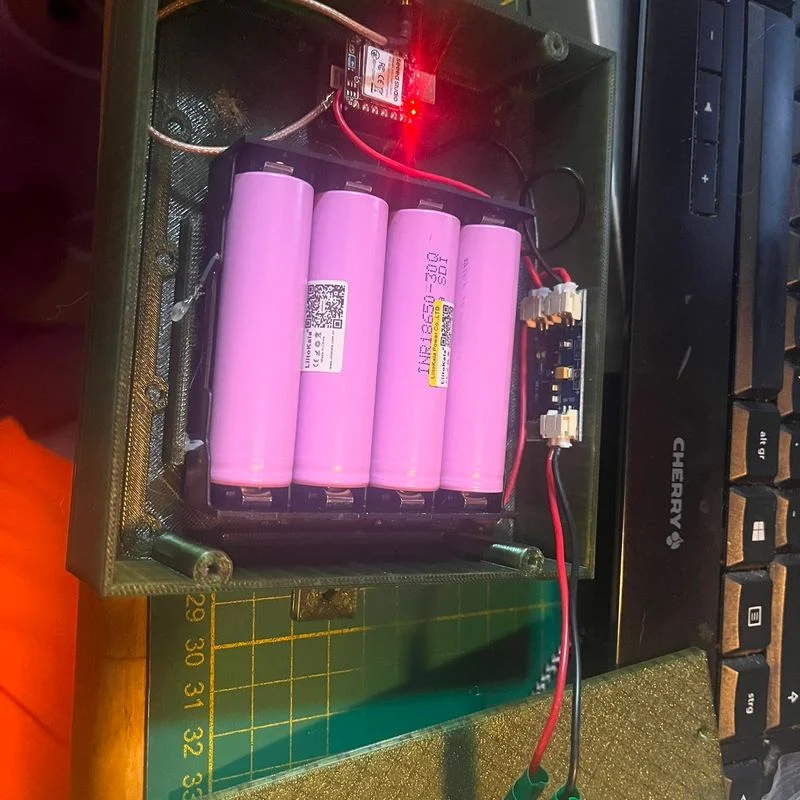
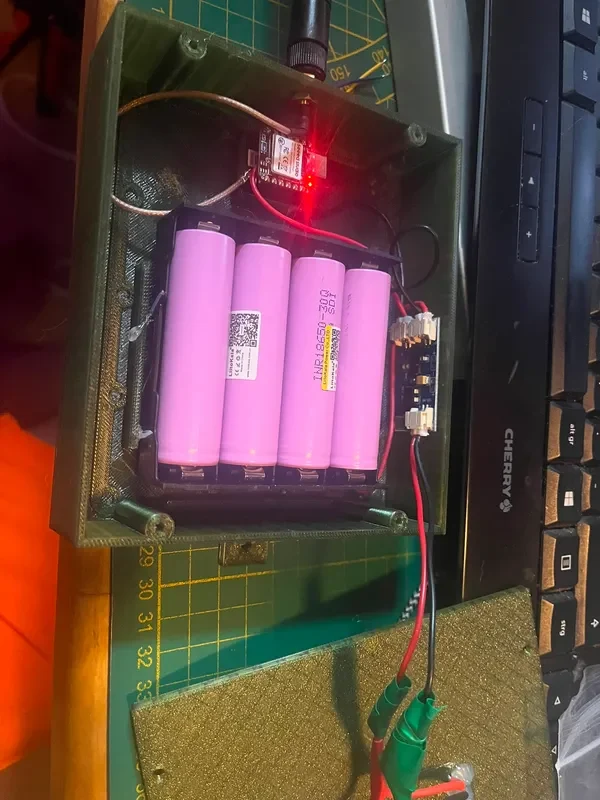
Pocket with guide rails for a standard 4×18650 inline holder (1S4P)
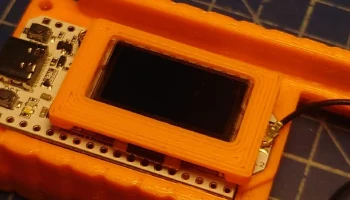
Tray for Seeed XIAO nRF52840 + Wio-SX1262
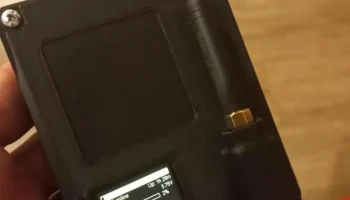
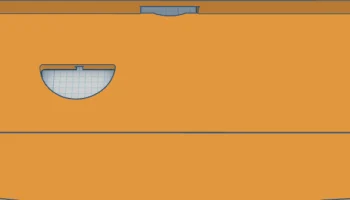
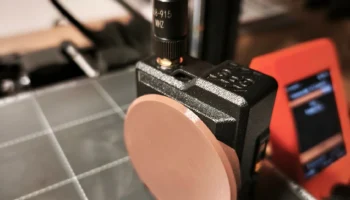
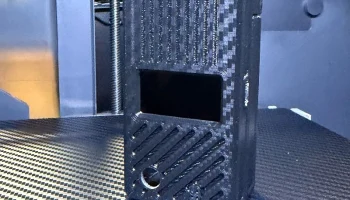
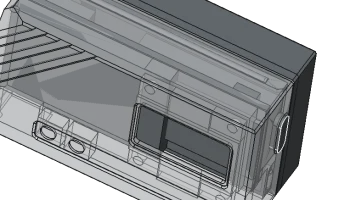
6.5 mm bulkhead hole for SMA jack, 20 mm hole option for an illuminated rocker switch
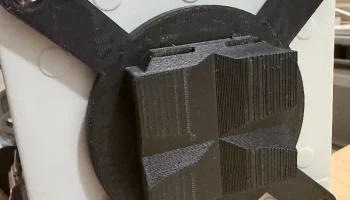
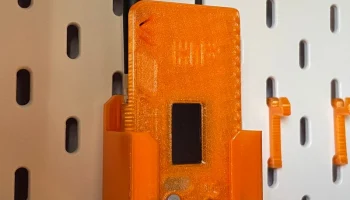
Mounting ears on both ends (screws or cable ties), drain hole
M3 screws thread into printed posts from the trim strip beside the panels
Bill of Materials
Qty
Part
Note
2
ZW 110x60 solar panel (6 V / 1 W epoxy)
wired in parallel
1
Seeed XIAO nRF52840
1
Wio-SX1262 module (or XIAO + SX1262 kit)
1
CN3065 solar charger board
TP4056 works too, CN3065 preferred for solar
1
4× 18650 holder, inline (~79 × 83 mm)
measure yours, adjust script if needed
4
18650 cells, same type/age (e.g. 30Q class, ~3000 mAh)
≈ 43 Wh → 4+ weeks autonomy without sun
1
SMA female bulkhead + u.FL/IPEX pigtail
1
868 MHz antenna
1
Round rocker switch (optional)
in OUT+ line between charger and XIAO
4
M3×10 screws
self-tapping into printed posts
-
MS polymer sealant (e.g. Sikaflex / Fix All)
panels + lid seam
-
Silica gel pack, PTFE vent sticker (optional)
condensation control
Wiring
Panels (parallel) → CN3065 SOLAR-IN → BAT to 18650 holder (1S4P) → OUT+ via switch → XIAO BAT+ pad, OUT− → XIAO BAT− pad. Antenna: SX1262 u.FL → pigtail → SMA bulkhead.
Print settings
Material: ASA or PETG, dark color (UV + temperature resistance; PLA will sag in summer sun)
0.2 mm layers, 4 perimeters, 25-40 % infill
Base: open side up. Lid: flat side down. No supports for either part.
Assembly & weatherproofing
Bolt in SMA bulkhead and switch, seal both from the inside with a bead of sealant; a rubber cap over the rocker helps.
Wire everything per above; feed panel wires through the lid slots and solder to the pads.
Glue panels into the lid recesses with MS polymer all around — this is both seal and fastening. Fill the wire slots from the inside.
Thin sealant bead on the tray rim, lid on, 4× M3.
Mount with the switch/SMA wall facing down, keep the drain hole at the lowest point, drop a silica gel pack inside.
Don't try to make it hermetic — «sealed on top, drained at the bottom» survives freeze/fog cycles far better than a fully potted box.
Battery safety note
Li-ion must not be charged below 0 °C. At the tiny solar charge currents here (~0.03 C) this is common practice in the solar node community and mainly costs cycle life, not safety — but for alpine winter sites consider insulating the holder (5 mm XPS/Armaflex) and/or using the CN3065 TEMP pin with a 10 kΩ NTC taped to the cells so charging stops in frost. Use four matched cells, balance them to the same voltage before inserting (1S4P!).
Power budget
2× 1 Wp nominal ≈ 1.2-1.4 W realistic peak → roughly 3-6 Wh/day averaged over the year at ~46°N. A MeshCore repeater on the nRF52840 draws 10-15 mA (≈ 1.3 Wh/day), so the budget closes with margin and 43 Wh of buffer bridges several dark weeks.